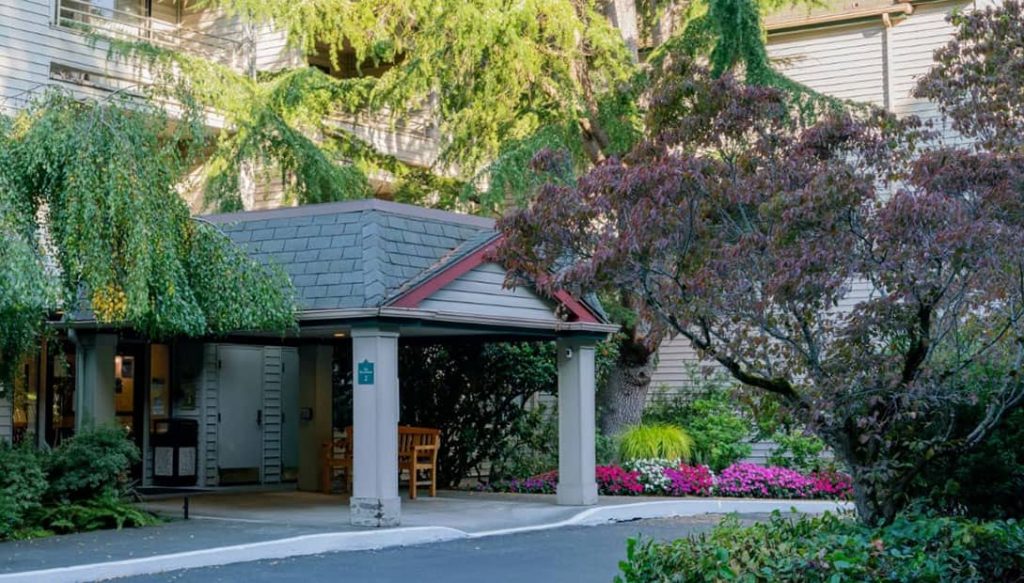
Assisted living at Village Green’s Washington communities combines personalized daily support with engaging amenities, restaurant-style dining, and a warm, connected environment, so residents get exactly the help they need while maintaining independence. Every community is designed to answer the many questions families have when considering assisted living.
The more you know about what assisted living is (and isn’t), the easier the decision becomes. Contact our team today to learn more about assisted living in Washington or schedule a visit to a Village Green community.
The choice of moving into an assisted living community usually involves many questions and conversations. That’s a good thing, because the more you know about what assisted living is—and is not—the easier the decision can be.
Assisted living is a great option for people who could use a little extra help to ensure their safety, comfort, and well-being as they age, in a way that enables them to be as active and independent as possible.
Assisted living communities are often confused with skilled nursing facilities or nursing homes, when in fact they are very different. Skilled nursing involves on-staff registered nurses and therapists providing advanced medical care to patients living in hospital-like private or semi-private rooms. Skilled nursing is also more costly than assisted living, although depending on the need, services may be covered by private insurance, Medicare, or Medicaid.
In contrast, assisted living communities offer private residences served by on-staff licensed nurses and caregivers trained to provide support and assistance with activities of daily living, such as medication management, dressing, or bathing, when needed. In addition, they are often integrated with independent living communities, sharing the same amenities and social activities.
Independence is not just for those in independent living. The real value of a quality assisted living community goes beyond physical support to encourage and inspire independence and engagement in people with a range of abilities and interests.
Assisted living is an excellent choice for anyone who wants to maintain the best possible quality of life, but may need help with daily tasks such as bathing, mobility, dressing, or taking medications.
Assisted living residents receive most services in the privacy of their own apartment homes, which enables them to participate in activities that support mental and physical well-being while interacting with their friends and neighbors.
This choice can be a beneficial alternative to in-home care for both the resident and their family. Adult children often serve as caregiver to an aging parent, but social isolation can be a very real result of this arrangement, one that has the potential to cause physical and mental health issues. Giving your loved one built-in social activities gives you more time to connect as well. In addition, assisted living often costs less than staying home with private home care assistance.
Assisted living is not about giving up one’s autonomy, but getting the help and services needed to do more of what they enjoy while being part of a vibrant, welcoming community that supports active, engaged lifestyles.
Several factors contribute to the happiness of assisted living residents. Perhaps the most important factor is the people who live and work there. The neighborhood location and accommodations they offer also play a major role in the decision.
From residents to caregivers to company leadership, every assisted living community has its own social atmosphere. Tours and visits are a wonderful way to get a sense of how authentically welcoming, caring, and compatible the residents and staff may be. When visiting a community, be sure to ask questions and engage with residents and staff to get a true picture of what life is like there.
People often seek to live in a community located in an area that suits their lifestyle and preferences, with convenient access to places and people they value. It’s a good idea to consider the community’s immediate surroundings, as well as the greater environment. Would you be more comfortable in a rural or urban setting? How important is access to nature, or arts and culture?
Well-appointed, well-maintained accommodations that adapt to the needs and lifestyles of residents are also an essential factor. Some retirement communities have buildings dedicated to assisted living, blended independent and assisted living, or both.
Village Green Senior Living Federal Way and West Seattle strive to provide residents with all the care, comfort, and conveniences of home. Explore one of our communities below.
Start by asking about staff-to-resident ratios, how care plans are personalized, and what a typical day looks like for residents. It’s also worth asking how the community handles changing care needs over time.
Other helpful questions include:
How are medical emergencies handled?
What is included in the monthly cost, and what’s billed separately?
How does the team build relationships with residents and families?
Have more questions? Our Village Green team is happy to walk you through it by phone or during a visit.
Personalized care starts with an individual assessment that considers a resident’s health, preferences, and daily routine, then evolves as their needs change. At Village Green, care plans are built around the person, not a one-size-fits-all model.
Ask your prospective community how often they review care plans and who is involved in creating them. Ongoing communication between families, residents, and caregivers is a good sign of truly personalized support.
Assisted living communities in Washington are licensed and regulated by the Washington State Department of Social and Health Services (DSHS), which sets standards for staffing, safety, and resident care.
These regulations cover areas like staff training requirements, medication management protocols, and resident rights, giving families added confidence that licensed communities meet consistent standards of care.
Accessibility varies by location, but many assisted living communities in Washington, including those in West Seattle and Federal Way, are situated near public transit routes or offer their own scheduled transportation services.
Village Green communities provide transportation options for errands, appointments, and outings, so residents can stay connected to the wider area without needing to drive themselves.
Most assisted living communities in Washington offer private apartments, chef-prepared dining, housekeeping, and a calendar of social and wellness activities, along with on-site support from licensed caregivers.
Common amenities include:
Private or semi-private apartment residences
Restaurant-style dining with chef-prepared meals
Wellness and fitness programming
Common areas for socializing, like lounges or gardens
Assisted living communities typically have licensed nurses and trained caregivers on-site to manage medication administration, coordinate with outside healthcare providers, and monitor residents’ well-being day to day.
Unlike skilled nursing facilities, assisted living isn’t designed for advanced medical care, but staff can help coordinate visits with physicians, therapists, or specialists as needed to keep residents supported.
Washington assisted living communities are required to meet state safety standards, which often include 24/7 staffing, emergency call systems, and secured entrances to protect residents.
Beyond regulatory requirements, many communities—including Village Green – layer in additional measures like regular wellness checks and fall-prevention strategies, so families can feel confident their loved one is safe and supported.
Have more questions about safety or care at Village Green? Reach out to our team—we’re happy to talk it through with you.

Flourish in a close-knit neighborhood surrounded by nature’s splendor with convenient access to attractions, dining, and more.
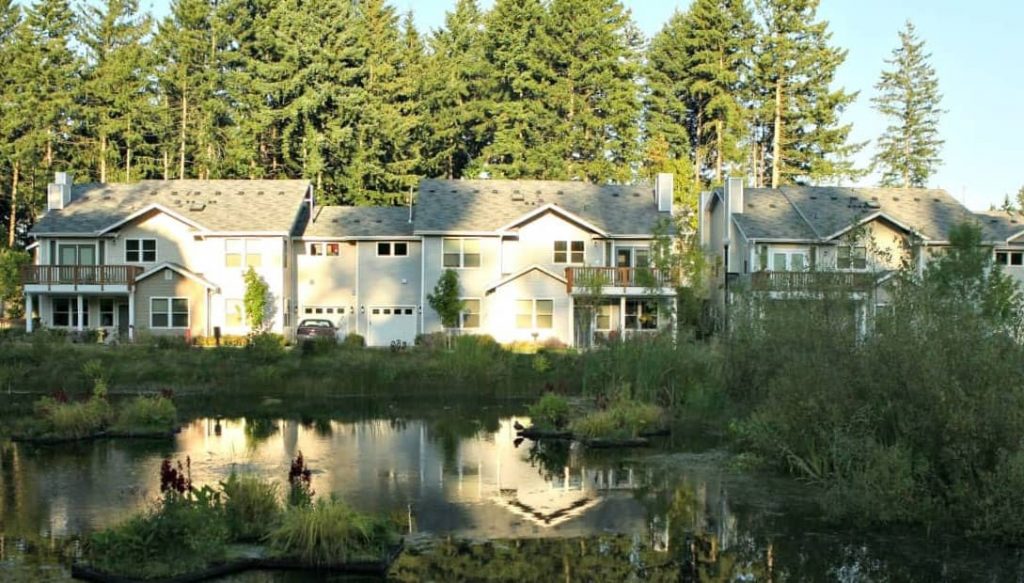
Whether you’re at home in an energetic community, a beautiful garden, or a vibrant urban setting, you can have it all here.